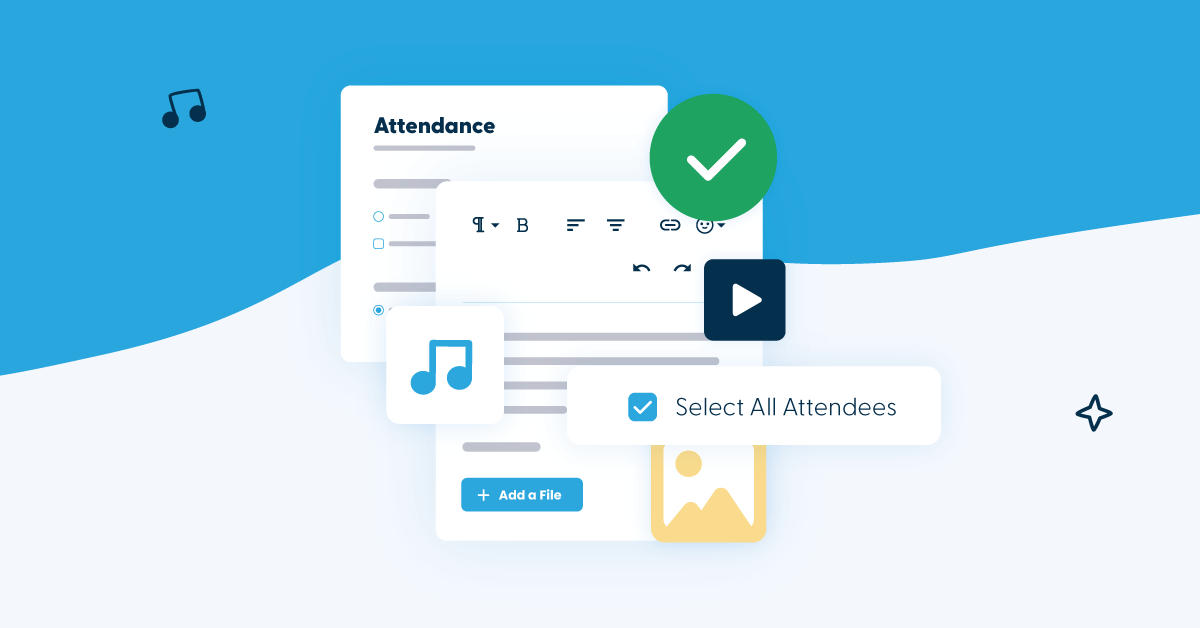
Keeping track of music lesson notes and attendance can quickly become one of the most time-consuming parts of running a music studio. Missed lessons and scattered notes make it hard to stay organized and support students.
Teachers who stay on top of it all rely on clear systems that make attendance and notes easy to manage.
TL; DR
Staying on top of attendance and music lesson notes helps music teachers stay organized, track student progress, and keep communication clear.
By recording attendance consistently, keeping brief lesson notes, and using centralized systems, studios spend less time managing records and more time focused on teaching.
Table of Contents
Why Music Lesson Notes and Attendance Matter More Than Teachers Think
Attendance and music lesson notes give music teachers a clear picture of what’s happening from week to week. They make it easier to see which lessons happened, which were missed, and if a lesson needs to be rescheduled.
Short lesson notes help teachers remember what was covered, plan what comes next, and keep track of practice goals. Over time, having everything written down creates structure and helps prevent small details from getting lost between sessions.
The Common Challenges Music Teachers Face with Tracking Lessons
Some teachers struggle to stay organized when attendance and lesson notes live in different places or don’t get recorded consistently. That often shows up as things like:
• Forgetting to mark attendance after lessons
• Keeping notes in notebooks, emails, or separate documents
• Relying on memory instead of written records
• Losing track of lesson history over time
• Spending extra time searching for past information
Over time, this turns into extra admin and less time spent teaching. Instead of focusing on students, teachers find themselves tracking down past notes and filling in missing details.
How Successful Studios Manage Attendance and Music Lesson Notes
Music teachers who stay organized treat attendance and lesson notes as part of their regular workflow, not as an afterthought. They build simple habits that make tracking lessons quick and reliable.
Successful studios:
- Mark attendance consistently for every lesson
- Record brief notes immediately after lessons
- Keep attendance and notes in one place
- Use the same format for every student
Consistency matters more than detail. Short, clear notes are often more useful than long summaries that are difficult to maintain.
When attendance and notes follow a routine, teachers spend less time managing records and more time supporting students.
What to Record During and After Each Lesson
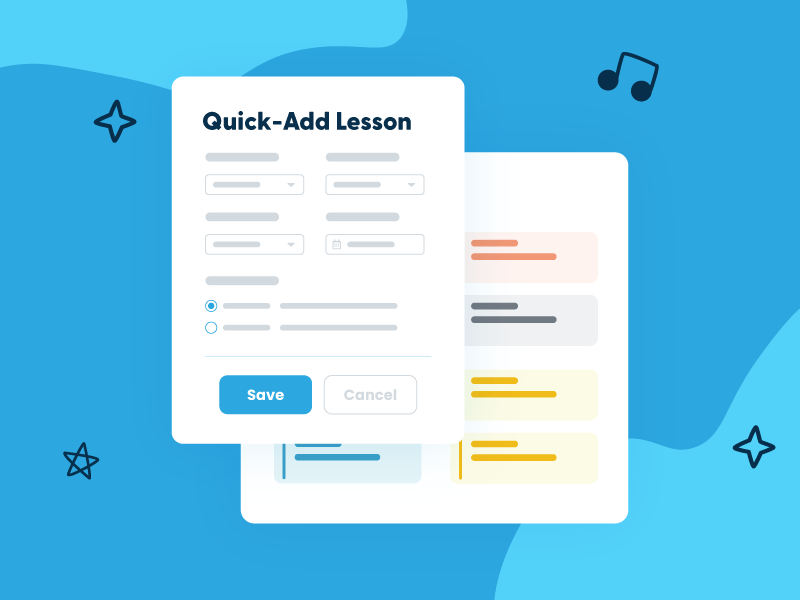
Knowing what to write down helps teachers stay efficient and consistent. Clear attendance records and brief music lesson notes make it easier to stay organized and plan future lessons.
The goal isn’t to write everything down, it’s to capture the details that matter most.
Attendance Details to Track (H3)
- Whether the lesson was attended, missed, or rescheduled
- The lesson date and time
- Any late arrivals or early departures
Tracking attendance consistently helps teachers keep accurate records and avoid confusion later.
Music Lesson Notes to Include
- Topics covered during the lesson
- Student progress or challenges
- Practice assignments or next steps
- Any follow-up needed before the next lesson
Short notes are often enough. These details help teachers plan future lessons and provide continuity, even when working with a large number of students.
The table below shows how organized systems improve attendance and lesson tracking.
| Without a Central System | With an Organized System |
| Attendance tracked inconsistently | Attendance tied to each lesson |
| Notes stored in multiple places | Notes saved alongside lessons |
| Teachers rely on memory | Lesson history is easy to review |
| Hard to track student progress | Progress documented over time |
| Extra time spent searching | Information is easy to find |
When attendance and lesson notes are organized in one place, teachers spend less time searching for information and more time preparing for lessons. Clear records make it easier to track progress, stay consistent, and feel confident going into each session.
How Systems Simplify Attendance and Lesson Tracking
Staying organized becomes much easier when attendance and lesson notes are handled through clear systems instead of scattered tools.
Music studio management systems help by:
- Keeping attendance tied to scheduled lessons
- Storing lesson notes alongside each session
- Making past lessons easy to review
- Reducing reliance on memory or manual tracking
When attendance and notes live in one place, teachers can quickly review lesson history, track progress, and stay prepared for upcoming sessions.
Tools like My Music Staff support this approach by keeping scheduling, attendance, and lesson notes connected. This helps teachers stay organized without adding extra steps to their workflow.
Organization Goes Beyond Attendance and Lesson Notes
Staying organized doesn’t stop at lesson tracking. Many music teachers also look for ways to simplify billing, policies, and parent communication to reduce admin work across their studio.
If payment conversations are taking up extra time or starting to feel uncomfortable, check out our guide on how music teachers avoid awkward payment conversations.
Frequently Asked Questions
How Do Music Teachers Track Attendance Effectively?
Music teachers track attendance most effectively by recording it consistently after every lesson. Keeping attendance tied to scheduled sessions helps ensure records stay accurate and up to date.
What Should Teachers Include in Lesson Notes?
Lesson notes should be short and focused. Teachers typically record what was covered, how the student performed, and any next steps for future lessons.
How Detailed Do Lesson Notes Need to Be?
Lesson notes do not need to be long. Clear, brief notes are easier to maintain and more useful than detailed summaries that take too much time to write.
How Does My Music Staff Help Teachers Stay Organized?
My Music Staff helps teachers stay organized by keeping attendance, lesson notes, and scheduling in one place. This makes it easier to track lessons, review progress, and stay prepared without juggling multiple tools.
Key Takeaways
- Attendance and lesson notes support organization and student progress
- Scattered records make tracking lessons harder over time
- Consistent habits matter more than detailed notes
- Clear systems help teachers stay organized without extra work
- Centralized tools reduce time spent managing records
How My Music Staff Helps Teachers Stay Organized Behind the Scenes
My Music Staff is built to help music teachers manage attendance and lesson notes without adding complexity. By keeping scheduling, attendance, and notes connected, My Music Staff helps studios stay organized throughout the day.
Whether teaching piano, voice, guitar, or multiple instruments, solo or with a team, teachers use My Music Staff to keep lesson records clear and easy to access.
✨ Clear records. Better lessons. More time to teach.
If you have questions or need help with attendance or lesson notes, My Music Staff’s support team is always happy to help at https://support.mymusicstaff.com/
 Anglais
 Français
 Japonais
 Espagnol
 Néerlandais
 Allemand